Sheet metal fabricators, structural steel units and heavy engineering shops all face the same pressure: cut more, waste less and deliver faster, without letting quality slip. A CNC plasma machine is one of the most practical answers to that pressure.
This guide covers the top benefits of a CNC plasma machine, what they mean for your shop floor, and how to judge whether one is right for your production.
What Is a CNC Plasma Machine?
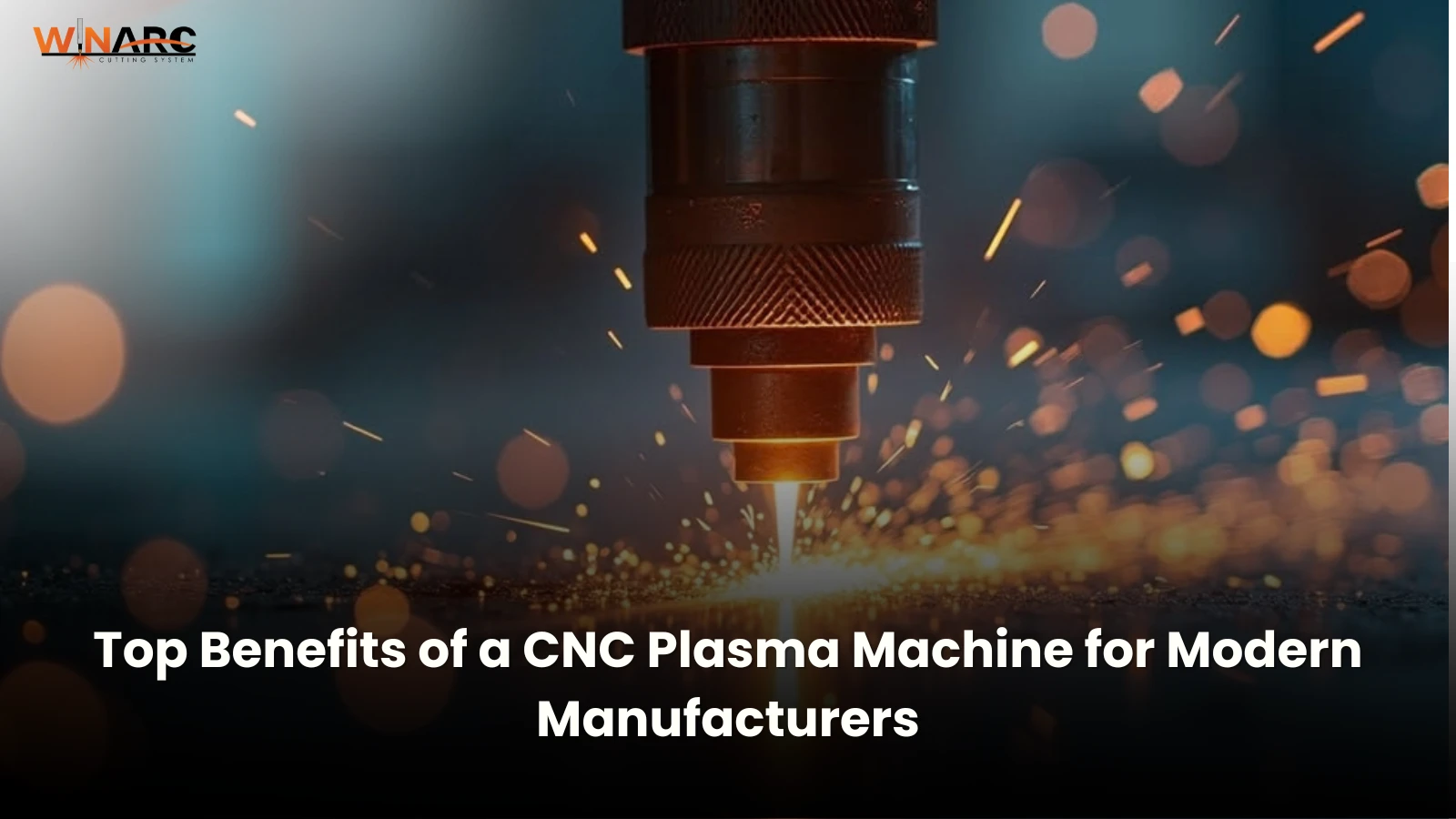
A CNC plasma machine uses a high-temperature plasma arc, produced from compressed gas and electricity, to melt and blow away electrically conductive metal. A computer numerical control (CNC) system guides the torch along a programmed path. The result is accurate, repeatable cutting on steel, stainless steel, aluminium and copper, with no manual marking or guiding.
Why the Demand Is Growing
CNC plasma is a growing category, not a niche one. According to a Research and Markets report published on Yahoo Finance, the global plasma cutting machine market was valued at US$738.26 million in 2024 and is expected to reach US$958.34 million by 2030. The same report says CNC/automated systems hold the largest market share and are the fastest-growing control segment, and that Asia-Pacific, which includes India, is the leading region.
Industry commentary points the same way. This analysis of top trends in the plasma CNC cutting machine market covers how automation and smarter machines are reshaping buying decisions. Manufacturers who invest early gain a real edge.
Top Benefits of a CNC Plasma Machine
1. Faster Cutting Speeds and Higher Throughput
Plasma is one of the fastest ways to cut mild steel, stainless steel and aluminium, especially in medium and thick plate. A CNC plasma machine moves at consistent, optimised speeds with no operator fatigue or slowdown. That means more parts per shift and shorter delivery cycles.
2. Lower Cost Per Part
Compared with many other cutting technologies, CNC plasma typically has a lower purchase price and lower running costs, especially on thicker metal. Consumables are affordable, power use is reasonable, and the machine keeps working with minimal intervention. For job shops and fabricators working on tight margins, this is often the deciding benefit. (For a detailed breakdown of investment levels, see our guide to the CNC plasma cutting machine price in India.)
3. Precision and Repeatability
CNC control removes the variation of manual cutting. Once a program is proven, the 1st part and the 1,000th match. Modern plasma systems also deliver clean edges with minimal rework, so your welding and finishing teams start with better-prepared parts.
4. Ability to Cut a Wide Range of Materials and Thicknesses
Plasma cuts any electrically conductive metal, including mild steel, stainless steel, aluminium, brass and copper. It handles everything from thin sheet to heavy plate. One machine can serve multiple product lines, which makes plasma a flexible choice for shops with varied work.
5. Reduced Material Waste
CNC nesting software arranges parts across a sheet to use as much of the material as possible. Tighter nesting and accurate cutting mean less scrap. With steel prices under constant pressure, better material utilisation goes straight to your bottom line.
6. Lower Dependence on Skilled Manual Labour
Manual cutting relies on skilled operators, and skilled labour is hard to find and keep. With a CNC plasma machine, a trained operator can load a program, monitor the cut and manage the machine, freeing experienced people for higher-value tasks like fabrication and quality control.
7. Design Flexibility and Faster Changeovers
Switching jobs on a CNC machine means loading a new program, not building new tooling. That makes it easy to handle custom orders, small batches, prototypes and design changes. Fabricators can say yes to more enquiries and respond to quotations faster.
8. Smarter, More Connected Manufacturing
Today’s CNC plasma systems increasingly support digital workflows: direct CAD/CAM integration, automated nesting, and monitoring of machine performance. As the market trends above show, this move towards automation and smart manufacturing is one of the strongest forces shaping the industry. Shops that build digital habits now will scale more easily later.
Industries That Benefit Most
CNC plasma machines are widely used in:
- Sheet metal and general fabrication
- Structural steel and construction
- Heavy engineering and machinery manufacturing
- Automotive components and chassis parts
- Shipbuilding and railway components
- Agricultural and earth-moving equipment
- Energy and infrastructure, including wind and solar structures
How to Choose the Right CNC Plasma Machine
The benefits above depend on choosing the right machine. Before you buy, look at:
- Material and thickness range: match the plasma power source to your typical and maximum plate thickness.
- Table size: size the cutting bed to your standard sheet or plate.
- Cut quality needs: decide whether standard or high-definition cutting suits your parts.
- Software and controller: look for reliable CNC control and nesting software that your team can learn quickly.
- After-sales service and support: local service, spares availability and training matter as much as the machine.
- Total cost of ownership: compare consumables, power use and uptime, not just the purchase price.
Final Thoughts
A CNC plasma machine gives manufacturers faster production, lower cost per part, consistent precision and better material use, all in one flexible system. For Indian fabricators looking to grow without adding proportional cost, it is one of the most sensible upgrades available.
At Winarc, we build cutting systems designed around your productivity, not just your specification sheet.
Ready to see what a CNC plasma machine can do for your production?
Talk to the Winarc team: +91 96060 46233 | winarc.in
FAQs
What is the main benefit of a CNC plasma machine?
The biggest benefit is the combination of speed, precision and low cost per part, especially on medium and thick metal.
What materials can a CNC plasma machine cut?
Any electrically conductive metal, including mild steel, stainless steel, aluminium, brass and copper.
Is CNC plasma cutting suitable for small workshops?
Yes. Its relatively affordable investment and flexibility make it a popular first CNC machine for small and mid-sized fabricators.
How does CNC plasma reduce material waste?
Nesting software fits parts tightly onto a sheet, and CNC accuracy avoids cutting errors, so less material is scrapped.
Where can I find CNC plasma machine pricing in India?
See our detailed guide to the CNC plasma cutting machine price in India.