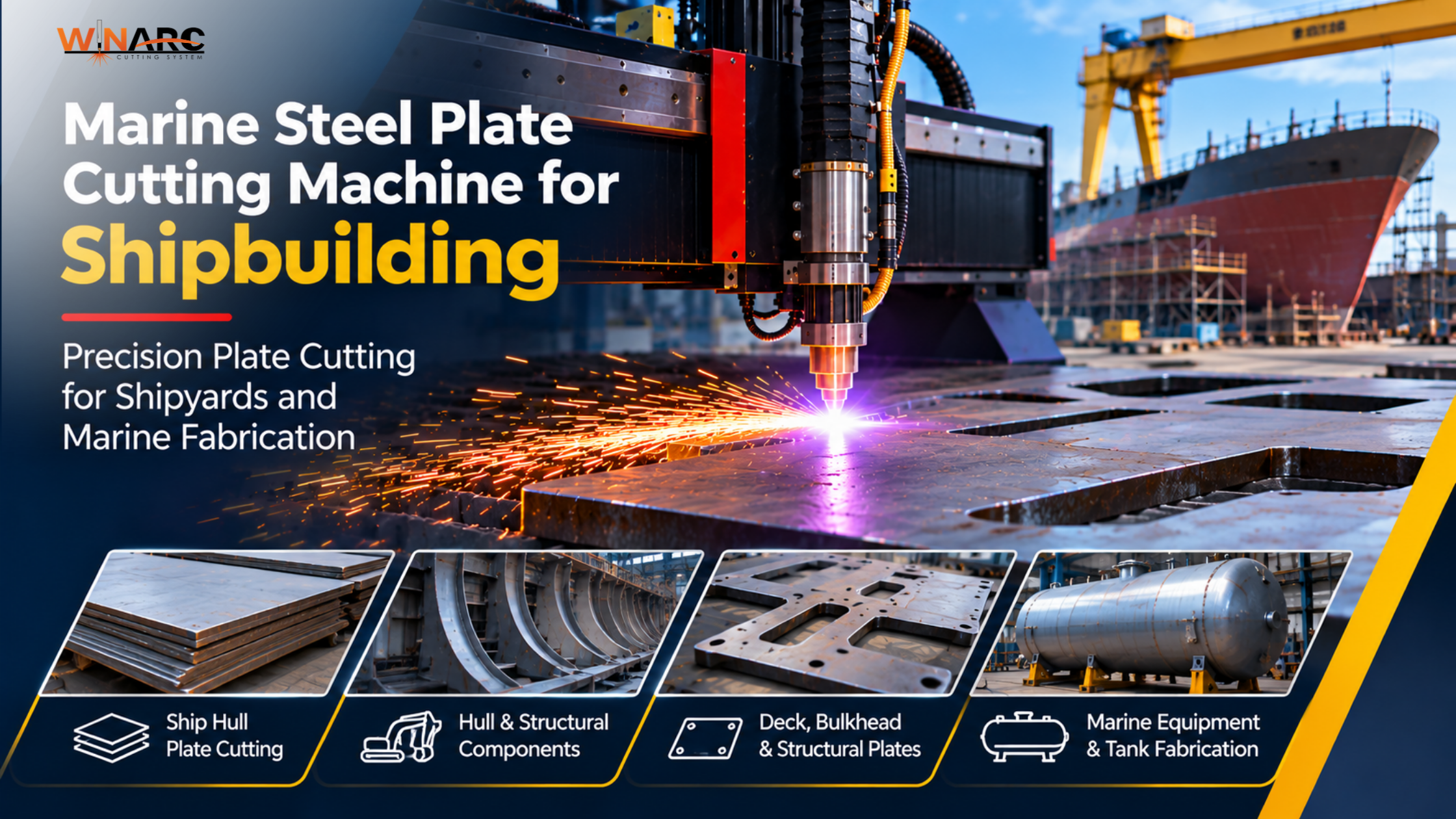
The shipbuilding industry depends on precision, productivity and reliable fabrication processes. From large ship hull sections to structural supports and marine components, manufacturers must cut steel plates accurately while managing material costs and production timelines.
A marine steel plate cutting machine plays an important role in modern shipbuilding by helping manufacturers process steel plates into complex shapes and profiles required for marine structures.
With increasing demand for efficient fabrication and advanced manufacturing practices, CNC cutting technology is helping shipyards improve cutting consistency, streamline production and handle a wide range of plate-cutting applications.
In this article, we explore how CNC plasma cutting supports shipbuilding, the applications of marine steel plate cutting machines and the key factors to consider when selecting a cutting system for shipyard operations.
The Role of CNC Plasma Cutting in Shipbuilding
Shipbuilding involves extensive steel fabrication, including hull structures, decks, bulkheads, stiffeners and supporting components.
Traditional manual cutting methods can require significant marking, operator effort and repeated measurement. CNC plasma cutting automates the movement of the cutting torch according to programmed designs, helping manufacturers produce components with consistent profiles.
A CNC plasma cutting machine for shipbuilding uses a computer-controlled plasma torch to cut electrically conductive metals such as carbon steel, stainless steel and aluminium, depending on the machine and plasma configuration.
The cutting process is particularly useful for shipyards that need to process a variety of plate shapes, openings and structural components.
By integrating CAD/CAM software and CNC controls, manufacturers can convert engineering drawings into cutting programs and improve coordination between design and fabrication.
Key Applications of a Marine Steel Plate Cutting Machine
A marine steel plate cutting machine can support several important shipbuilding operations, depending on the material, plate thickness and required cutting quality.
1. Ship Hull Plate Cutting
The ship hull forms the main structure of a vessel and requires numerous steel plate sections with specific profiles.
A ship hull plate cutting machine can help produce hull-related plate components, including shaped sections, openings and custom profiles used during fabrication.
CNC cutting allows manufacturers to follow programmed contours and produce repeated components with consistent geometry.
For curved or complex hull components, the cutting program must be prepared according to the approved design and the capabilities of the selected machine.
2. Deck and Bulkhead Components
Decks and bulkheads form important parts of a ship’s structural arrangement.
CNC plasma cutting can be used to process plate components such as:
- Deck plate profiles
- Bulkhead sections
- Access openings and cut-outs
- Reinforcement plates
- Mounting and connection plates
Automated cutting helps reduce repetitive manual work and supports more organised fabrication workflows.
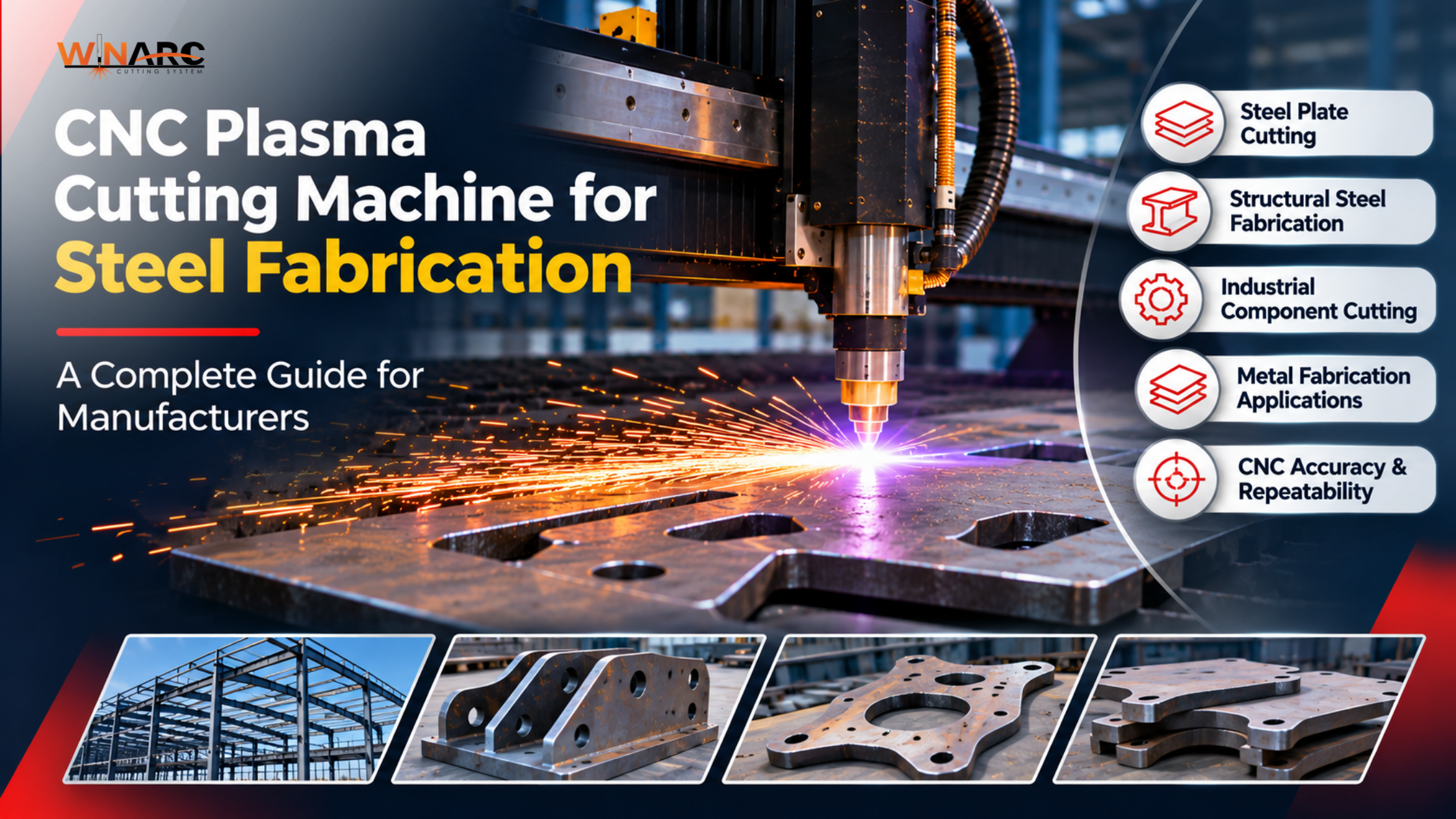
3. Marine Structural Steel Fabrication
Shipyards use a wide range of structural steel components to support vessel construction.
These may include brackets, stiffeners, gusset plates, support plates and other fabricated parts.
A CNC plasma cutting machine can process these components from steel plates using programmed cutting paths, helping manufacturers maintain consistency across production batches.
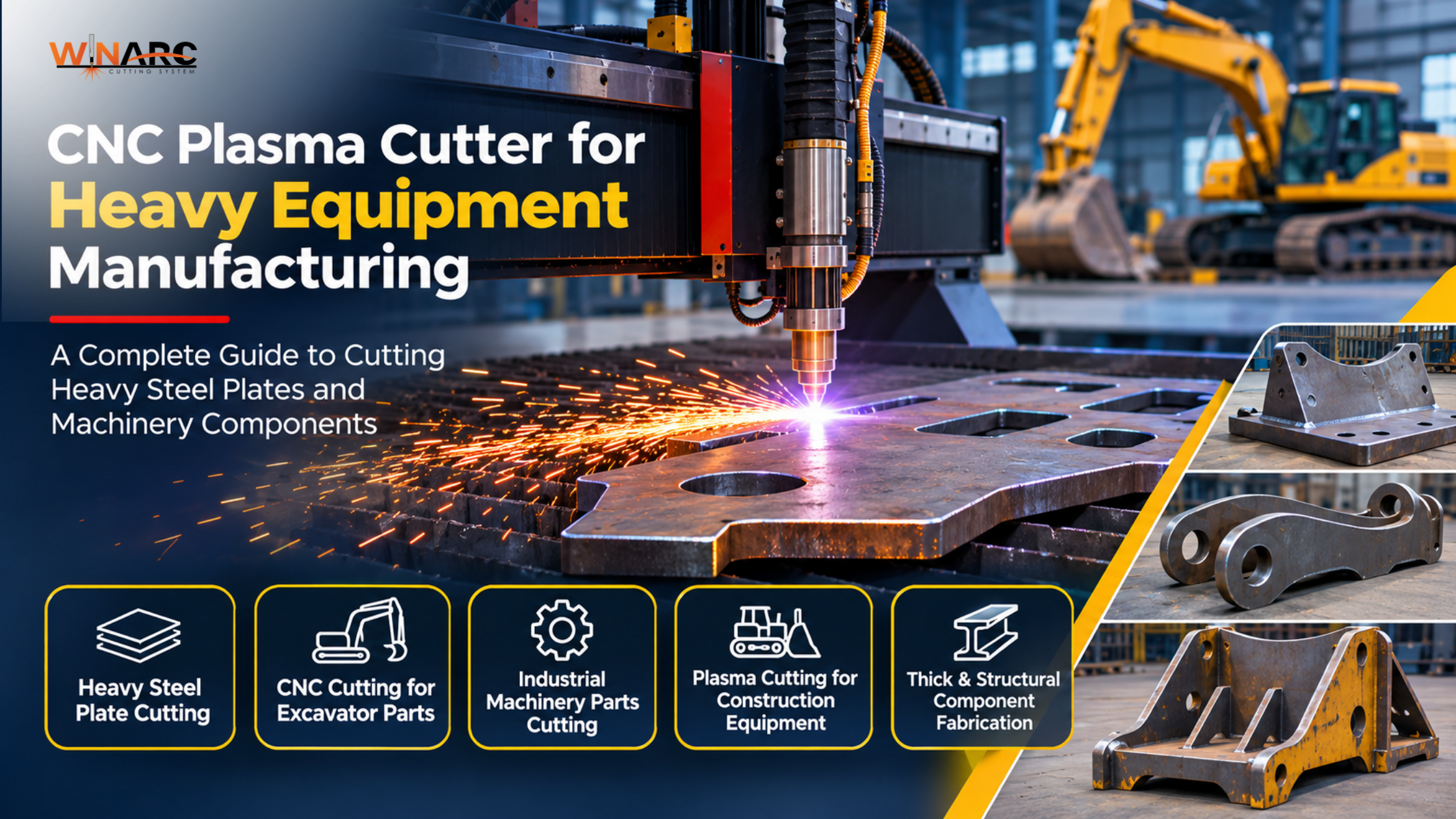
4. Marine Equipment and Support Components
Marine vessels require numerous components for equipment installation and structural support.
CNC plasma cutting can be used for selected mounting plates, machinery support components, brackets and custom steel profiles.
The suitability of plasma cutting depends on the component’s dimensional requirements, material specification and downstream fabrication process.
Benefits of a CNC Ship Plate Cutting System
A CNC ship plate cutting system can help shipyards improve several aspects of steel fabrication.
Improved Cutting Consistency
CNC cutting follows programmed paths, reducing variations caused by manual torch movement.
This is useful when producing repeated components or processing multiple parts from the same engineering drawing.
Increased Fabrication Productivity
Automated cutting reduces the need for repeated manual marking and cutting.
Once the program is prepared, the machine can process multiple components with less operator intervention, helping improve production flow.
Better Steel Plate Utilisation
Steel plates represent a significant material cost in shipbuilding.
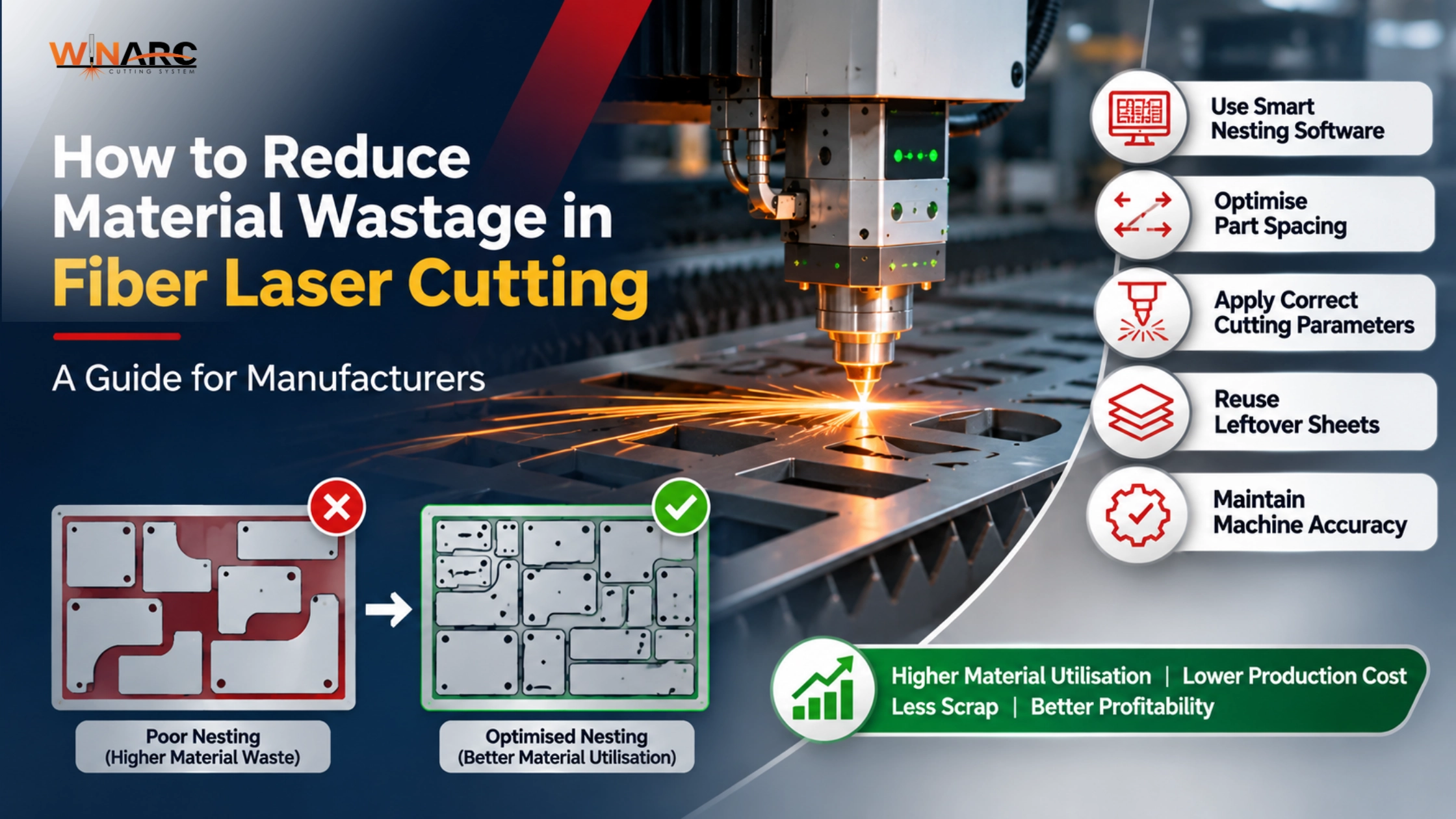
Nesting software can arrange multiple components on a plate to improve material utilisation and reduce unused areas.
Efficient nesting can also help manufacturers manage leftover plate sections for future jobs.
Actual material savings depend on plate dimensions, component geometry, nesting efficiency and cutting clearances.
Flexible Production
Shipyards often manufacture components in different sizes and quantities.
A CNC cutting system can be reprogrammed for new designs, making it suitable for varied fabrication requirements and changing production schedules.
Reduced Manual Cutting Work
CNC plasma cutting automates torch movement and cutting sequences.
This can reduce repetitive manual cutting tasks while allowing operators to focus on machine supervision, material handling and quality checks.
CNC Plasma Cutting vs. Other Cutting Technologies for Shipyards
Shipyards may use plasma, fiber laser and oxy-fuel cutting depending on their production requirements.
| Cutting technology | Common shipbuilding consideration |
|---|---|
| CNC Plasma Cutting | Suitable for a wide range of conductive plate-cutting applications where thickness and edge-quality requirements align |
| Fiber Laser Cutting | Often selected for high precision and fine features on suitable material thicknesses |
| CNC Oxy-Fuel Cutting | Commonly considered for heavy carbon steel plate applications and thicker material ranges |
The best technology depends on the type of steel, plate thickness, required edge quality, production volume and operating cost.
For shipyards processing a broad range of steel plate components, an industrial plasma cutting system can provide flexibility across many fabrication tasks.
How to Select an Industrial Plasma Cutter for Shipyards
Choosing an industrial plasma cutter for shipyards requires evaluating the machine against actual production requirements.
1. Identify Your Material and Thickness Range
List the steel grades and plate thicknesses commonly processed in your shipyard.
Separate regular production thicknesses from occasional maximum-thickness requirements. This helps ensure the machine is selected for reliable everyday performance.
Maximum severance capacity should not be treated as the same as recommended production cutting thickness.
2. Evaluate the Cutting Table Size
Shipbuilding often involves large plate components.
The cutting table should accommodate the plate dimensions commonly used in production while considering available factory space and material handling arrangements.
A suitable table size can reduce the need for repeated setups and help streamline fabrication.
3. Review Plasma Power and Cutting Performance
The plasma power source, torch and gas configuration influence cutting capability.
Ask the supplier for recommended production parameters for the materials and thicknesses used in your shipyard.
Where possible, evaluate sample cuts to assess edge quality, dimensional consistency and the amount of downstream finishing required.
4. Check CNC Controller and CAD/CAM Software
A reliable CNC controller helps execute cutting programs consistently.
Compatible CAD/CAM and nesting software can support:
- Importing engineering drawings
- Creating cutting paths
- Arranging components on steel plates
- Optimising cutting sequences
- Managing production jobs
Software features and licensing may vary by machine configuration.
5. Consider Material Handling and Workflow
Machine selection should also consider how plates are loaded, positioned and removed.
For high-volume shipyard operations, material handling arrangements can have a significant impact on overall production efficiency.
6. Evaluate Service and Technical Support
A cutting machine is a long-term production investment.
Consider the availability of technical support, operator training, spare parts, consumables and maintenance assistance.
Reliable support helps manufacturers maintain machine performance and minimise avoidable production interruptions.
Industry 4.0 and Smart Shipbuilding
Industry 4.0 is encouraging shipyards to connect design, production planning, machine operations and quality management.
A CNC ship plate cutting system can contribute to this transformation when integrated with suitable digital manufacturing processes.
Examples include:
- CAD/CAM-based cutting program preparation
- Digital nesting and plate utilisation planning
- CNC program management
- Production job tracking
- Cutting data collection
- Integration with broader manufacturing systems where supported
Digital workflows can improve visibility across fabrication operations and help production teams plan work more effectively.
The level of integration depends on the machine controller, software and the shipyard’s existing manufacturing infrastructure.
Improving Quality and Safety in Marine Plate Cutting
Marine fabrication requires careful attention to material specifications, dimensional accuracy and fabrication quality.
Shipyards should ensure that cutting operations follow approved engineering drawings and established quality procedures.
Important considerations include:
- Maintaining material identification and traceability
- Using appropriate cutting parameters for the material
- Inspecting components against specified tolerances
- Completing required edge preparation before welding
- Following approved fabrication and inspection procedures
- Ensuring operators follow plasma cutting safety practices
A CNC plasma cutting machine supports the cutting process, but it does not independently guarantee vessel compliance or finished structural quality. Applicable design standards, inspection requirements and welding procedures must be managed separately.
Build a More Efficient Shipbuilding Workflow with CNC Cutting
Modern shipbuilding requires a combination of engineering precision, efficient material utilisation and dependable fabrication processes.
A marine steel plate cutting machine can help shipyards automate plate cutting, improve component repeatability and support a flexible production environment.
From ship hull plate cutting to deck structures, bulkheads and marine support components, CNC plasma cutting offers a practical solution for many steel fabrication applications.
The right machine should be selected based on material requirements, plate dimensions, cutting quality, software capabilities and the shipyard’s production workflow.
At Winarc, manufacturers can explore CNC cutting solutions for industrial metal fabrication and discuss machine configurations based on their production needs.
Looking to improve steel plate cutting in your shipyard? Explore Winarc’s CNC cutting machine range and evaluate a solution suited to your marine fabrication requirements.
Explore Winarc CNC Cutting Machines
Frequently Asked Questions
What is a marine steel plate cutting machine?
A marine steel plate cutting machine is used to cut steel plates into shapes and profiles required for shipbuilding and marine fabrication. CNC plasma cutting is one technology used for processing suitable conductive metal plates.
Is CNC plasma cutting suitable for shipbuilding?
Yes. CNC plasma cutting can be used for many shipbuilding applications, including hull-related plate components, deck profiles, bulkheads, brackets and structural parts. Suitability depends on material thickness, cutting quality and component requirements.
What is a ship hull plate cutting machine used for?
A ship hull plate cutting machine is used to process steel plate profiles and shapes required for hull fabrication. CNC cutting helps follow programmed contours and produce consistent components.
What should shipyards consider when buying a CNC ship plate cutting system?
Shipyards should evaluate material grades, production cutting thickness, table size, cutting quality, plasma power source, CNC controller, nesting software, material handling and technical support.
Is plasma cutting better than laser cutting for shipbuilding?
The choice depends on plate thickness, required precision, edge quality, production volume and operating costs. Plasma cutting may be suitable for many plate fabrication tasks, while laser cutting is often selected for finer features and high precision on suitable materials.
Can CNC plasma cutting improve steel plate utilisation?
Yes. Nesting software can arrange components efficiently on a plate, helping reduce unused material. Actual utilisation depends on component geometry, plate dimensions and nesting strategy.